The Four-Day Prescription: Auditing Holiday Pharmacy Gaps for Barbiturate Patients
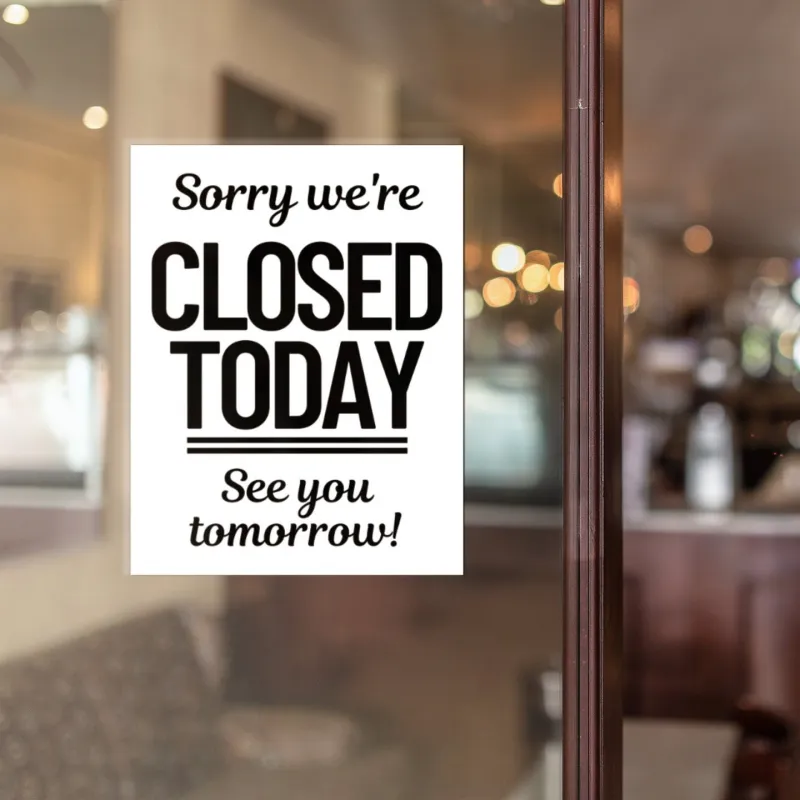
Photo: closed pharmacy counter holiday hours sign prescription bottle, via i.etsystatic.com
The Wednesday before Thanksgiving is a predictable stress test for the U.S. pharmacy system. Offices close early, chains run reduced hours, and rural independents may shut for consecutive days. For most patients, a delayed refill is an inconvenience. For a patient maintained on a barbiturate, it can become a clinical event. The relevant harm is not only overdose; it is the preventable withdrawal syndrome that arrives when a stable regimen is interrupted by a calendar rather than a clinical decision.
Why a Closed Counter Is a Clinical Event
Barbiturate withdrawal is not a minor discomfort. Depending on the drug, dose, duration, and patient factors, abrupt cessation can produce tremor, anxiety, insomnia, autonomic instability, delirium, and seizures. The risk is especially concerning in older adults, who may have limited mobility, live alone, rely on caregivers, or manage multiple prescriptions with different refill dates. Rural patients face additional distance and fewer open pharmacies. A four-day closure can become a seven-day gap once transport, weather, and work schedules are included.
The ethical framing matters. A health system that treats refill logistics as clerical work will systematically miss a drug-safety problem. A harm-reduction framing asks a different question: what does this patient need in order to avoid an unplanned interruption, and who is accountable for noticing before the bottle is empty?
The Emergency-Supply Rulebook Is Not a Safety Net
Many states permit pharmacists to provide a limited emergency supply of a prescription drug when the prescriber cannot be reached, but the details vary widely. Conditions may include a previous prescription history, pharmacist judgment, documentation, a defined quantity or days' supply, and an attempt to contact the prescriber. Controlled-substance rules add another layer, and federal law does not create a uniform national emergency-supply entitlement. A pharmacist may also hesitate because of inventory, audit exposure, or uncertainty about state requirements.
Emergency-supply authority is therefore useful but unreliable as a holiday strategy. It depends on the right pharmacist being present, knowing the rule, and being willing to exercise discretion. It also depends on the patient knowing to ask. A safer approach is to prevent the gap before the counter closes.
Prescriber Contingency Planning
Prescribers who manage barbiturate therapy should treat holiday calendars as part of the medication plan. At routine visits, the record should capture the patient's pharmacy, typical hours, travel plans, caregiver support, and the date the current supply will run out. When that date falls near a weekend or holiday, the prescriber and pharmacy should reconcile the refill schedule in advance.
This does not mean indiscriminate early refills. It means documenting a clinically appropriate plan that is consistent with state and federal rules, avoiding last-minute requests that push pharmacists into an emergency exception, and ensuring after-hours coverage can reach the pharmacy. A prescriber who is unreachable on a holiday has effectively delegated continuity to chance.
Pharmacy Staffing Calendars as Safety Infrastructure
Pharmacy closures are often visible only to the people who work there. Health systems and clinics can change that by auditing which pharmacies in their catchment area close for consecutive days around major holidays, which have reduced weekend hours, and which lack reliable delivery. Medication synchronization, adherence packaging, and advance notification can reduce risk, but they require someone to own the calendar.
For older adults, the plan should include transport and caregiver confirmation. For rural patients, it should include mail-order lead times and weather contingencies. For patients using multiple sedatives, the review should consider whether one missed refill increases risk through combined effects or withdrawal. The goal is not to create a new bureaucratic form; it is to make access continuity visible before it fails.
A Holiday-Refill Checklist
A practical checklist can be used by clinics, pharmacies, and care teams:
- Flag patients on barbiturates and barbiturate-containing products in the electronic record.
- Confirm the last fill date, days' supply, and projected run-out date against the holiday calendar.
- Verify the pharmacy's actual hours for the surrounding week, including early closures.
- If run-out falls within a closure, act at least seven to ten days ahead.
- Document the prescriber's after-hours contact and the pharmacy's preferred callback route.
- Confirm whether an emergency supply is permitted under state law and what documentation is required.
- Offer an earlier fill only when clinically appropriate and legally permissible.
- Assess transport, caregiver availability, and delivery options for older and rural patients.
- Give the patient a written contingency plan that includes when to call the pharmacy, the prescriber, or emergency services for severe symptoms.
- Record any near-miss as a safety event so the next holiday is easier.
Treating Access as Harm Reduction
Lethal-dose questions tend to dominate public discussion of barbiturates, but drug safety also lives in the unglamorous space of refill dates and pharmacy hours. A patient who never intends to overdose can still be harmed by an interruption that no one planned. In 2026, with pharmacist shortages and uneven rural access still shaping care, holiday refill continuity deserves the same scrutiny as prescribing thresholds and overdose response.
The policy implication is straightforward: access continuity should be measured. Health systems can track unplanned barbiturate interruptions, emergency-supply requests, and holiday-related withdrawal presentations. Clinicians can ask about pharmacy access at every visit. Policymakers can clarify emergency-supply rules and reduce administrative barriers that make pharmacists choose between paperwork and patient safety. At Nembutal Lethal Dose, the editorial position is neutral but not indifferent: a closed pharmacy counter is not a neutral event, and a holiday refill checklist is a harm-reduction tool.