The Call That Should Be Unambiguous: Bystander Immunity and Barbiturate Overdose in the United States
Photo: Unknown authorUnknown author, Public domain, via Wikimedia Commons
Emergency call scripts tend to ask a familiar question: Is the person breathing? What did they take? For opioid overdoses, the next line often involves naloxone. For barbiturates, the script can stall. A caller may be holding a bottle of butalbital, a compounded liquid, or a veterinary euthanasia solution and weighing whether to mention it. The hesitation is not irrational. Many U.S. overdose Good Samaritan laws were enacted with opioids in mind, and their protections are neither uniform nor self-explanatory. A statute that encourages a call for an opioid overdose may not clearly cover the person who calls for a barbiturate overdose, or the paraphernalia in the room.
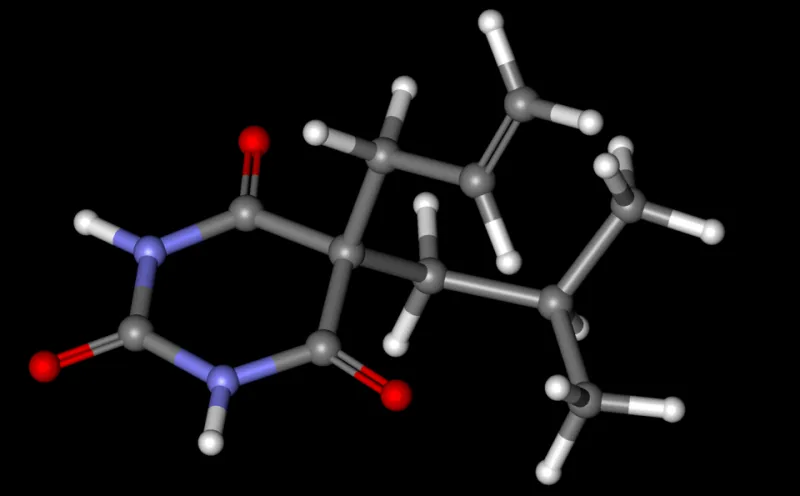
This article uses barbiturate broadly to include prescription butalbital and phenobarbital products, compounded preparations, and veterinary pentobarbital that may appear in human overdose scenes. The policy question is not whether every caller deserves protection. It is whether the law and emergency guidance say so clearly enough that a frightened bystander does not wait.
The Statute Is Broader Than the Poster
Public health messaging often compresses overdose immunity into a poster: call 911 and you will not be arrested. Statutory text is more careful. A structured reading of state immunity laws reveals recurring limits that matter at a barbiturate scene. Some provisions protect a person who seeks medical assistance for a drug overdose, but define drug through lists that were drafted around opioids or scheduled controlled substances. Others protect simple possession but say nothing about drug paraphernalia, the category that may cover a syringe, a spoon, a baggie, or a veterinary vial. Some require the caller to cooperate with responders; some exclude people on probation, parole, or with outstanding warrants; some protect the caller but leave the person who is overdosing exposed to possession charges.
The result is not a single Good Samaritan gap but a set of definitional and procedural ones. A caller who is not a legal expert cannot be expected to know whether the bottle in the room is a prescription drug, a controlled substance, or a veterinary product that triggers a different statutory category. Nor should the caller have to determine whether the state protects paraphernalia as well as possession. If the aim is to reduce overdose death, the law should not require a legal audit at the moment of crisis.
Where Barbiturate Scenes Differ
Opioid overdose response has a recognizable cultural script: recognize breathing, give naloxone, call 911. Barbiturates have no comparable rescue drug. The clinical priority is ventilation and time, which makes the 911 call more, not less, urgent. But the social scene may be different. The caller may be a family member, a caregiver, a group-home staff member, or the person with the prescription. The overdose may be intentional. The substance may be a legally prescribed medication that someone diverted, a counterfeit product, or a veterinary solution stored at home.
Emergency-call guidance often reflects the opioid frame. Dispatchers may ask whether naloxone has been given or whether the person is an opioid user. Those questions are useful in their place, but they can imply that only opioid overdoses are true overdoses. A caller who says barbiturates may be met with silence, or with a request to identify the exact pill. That request is clinically reasonable but legally risky if the caller fears self-incrimination. A better script separates the medical question from the evidentiary one: what was taken, if known, and what is happening to the person now.
What Emergency Guidance Should Say
Emergency medical dispatch protocols should not require callers to name a drug before help is sent. They should ask about breathing, responsiveness, and time of onset; they should accept possible overdose as a sufficient trigger; and they should tell callers to unlock the door, move the person to a safe position if possible, and stay on the line. Dispatchers should be trained to say that identification is helpful but not required. Public messaging should avoid categorical promises of immunity. A defensible formulation is that many states have overdose Good Samaritan laws that may protect a person who calls for help, but the protections vary and the 911 call should not wait for a legal opinion.
That language is less satisfying than a guarantee. It is also more honest. Harm reduction does not require overstating legal protection; it requires removing avoidable deterrents while respecting the limits of clinical authority. Clinicians are not prosecutors, and they should not pretend to be.
An Immunity Clause Built for the Actual Scene
Legislatures revisiting overdose immunity in 2026 can close the barbiturate gap with a few drafting choices. First, define overdose to include acute poisoning from any drug or substance, including prescription drugs, counterfeit drugs, compounded products, and veterinary products. Second, protect both the caller and the person for whom help is sought from simple possession and paraphernalia charges. Third, limit immunity to evidence discovered because of the emergency call, while preserving exceptions for trafficking, violence, and unrelated outstanding warrants. Fourth, require dispatcher training and public reporting so the law is not merely symbolic.
These are policy choices, not clinical ones. But they affect clinical outcomes. A statute that protects only the caller, or only possession, leaves the most frightened people to calculate risk. A statute that names barbiturates explicitly may help, but a general drug-overdose definition is more durable as the supply changes.
Clinician Talking Points Without False Assurance
Clinicians who counsel patients, families, or community groups should encourage the call without implying legal certainty. Useful talking points include:
- Call first. Breathing is the emergency; legal questions come after emergency care is underway.
- I cannot give legal advice or promise what a prosecutor or court will do. Many states have overdose Good Samaritan laws, but they differ in what they cover.
- You do not need to identify the drug to call. Say possible overdose, give the address, and describe the person's breathing and responsiveness.
- Do not clean up or move substances to avoid evidence. That delays care and may not help legally.
- If you are worried about charges, ask for a public defender or legal aid after the medical emergency is stabilized.
For clinicians, the ethical point is to avoid both deterrence and false comfort. Telling a caller that they will definitely be protected is not harm reduction; it is an unsupported legal promise. Telling them that calling is pointless because the law is unclear is worse. The middle path is to make the medical priority unambiguous while describing legal protection accurately.
The call for help should be the least ambiguous act in an overdose. The law should not make a bystander choose between a barbiturate bottle and a clear conscience. Clearer statutes, better dispatch scripts, and disciplined clinician language will not resolve every legal question, but they can reduce the pause that costs time.